Friday, 10 December 2010

First Day in the Kruger

Sunday, 7th November 2010


After a short walk and another glorious breakfast, we set off for our first stop in the Kruger Park at Orpen Camp.  The booking had omitted Helena so no bed was available for her - she had to sleep on the camping mats for two nights, but at least we were not charged!  

 
Orpen camp overlooks a man-made water hole, just outside an electric fence and was a wonderful place to sit with a beer and observe the wild life.  We saw various antelope, water buffalo, elephant and a black backed Jackal skittishly trying to avoid the Buffalo to take a drink.

Our balcony at Orpen Camp, looking towards the water hole

Blyde River Canyon

Saturday, 6th November 2010

Pete and Helena arose at 5am and went for an early morning walk around the Estate.  They were lucky enough to witness 'Dung Beetle Wars'!  A large dung beetle had his beautifully formed dung ball hijacked by a small dung beetle and the interaction between the 2 was hilarious.
A small brown dun beetle tries to steel a dung ball from a much larger one

After breakfast we drove up to the Blyde River Dam which was worth it for the view.  We decided against the boat trip as it was costly and very touristy.
Carole and Helena at the Dam

Instead, we opted for the Moholoholo Rehabilitation Centre which proved to be an excellent choice.  After a short talk on how humans keep or rescue wild animals which may create long term problems for those animals, we were introduced to a tame male cheetah. 

The centre endeavours to re-release all the animals it rescues, but some are too badly injured or too tame. In those cases, where they can and where the animals can serve an enducational purpose, they are permanently housed at the centre.  A tour round showed us Honey Badgers which lived a youngsters in someones house until they trashed it - as one of the most aggressive creatures in Africa, it was astonishing that people would even contemplate keeping them as pets!  There was a number of eagles with one wing, injured by hitting power lines when diving after prey.  Everywhere, there were tales of man's intervention or existance, spoiling the lives of the beautiful creatures contained permanently within the centre.  The final spectactle was feeding of the vultures to save them from eating poisoned meat put down by farmers.

At 5.30pm, back at the lodge, Anna a neighbour, took us to see bushbabies; we were lucky enough to see both the lesser and the greater bushbabies which was an absolute joy.

Rendevous in Johannesburg

Friday, 5th November 2010


We arrived at Jo'Berg Airpoort at 5.00 am from Perth and waited on Helena's flight from London, due in at 8.00 am.  The hours passed slowly and by 10.00am the flight from England had arrived but none of the passengers had come through to arrivals.  No-one at the airport could give a reason as to the whereabouts of the aircraft which seemed most odd.  Finally, at almost 11.00, Helena appeared.  It transpired that the Captain had got lost on the airport and had cruised into the wrong bay so had to wait for a tow truck because 747s can't reverse!

This late start meant a dash up to Blyde River Canyon Lodge - our first stop off in Africa. 
The B&B was simply gorgeous, set in a botanical gardens with Zebra, Nyala, Baboons and Vervet monkeys roaming freely.  After a lovely meal we retired to bed exhausted.


Blyde River Lodge - Note the zebra on the lawn in the background!

Perth Zoo and Goodbye to Australia

Thursday, 4th November 2010

Our last day in Australia!  We decided to spend it at Perth Zoo as we wanted to see a local zoo in each area we visited.

To visit the zoo, we had to catch the ferry from the pier; it took about 10 minutes across the harbour, then a short walk to the entrance.

As we hadnt had any breakfast and it was now almost midday, our first visit was to the restaurant.  There was an ibis on the table finishing off someones discarded meal of burger and chips.

We ordered our rather overpriced meal and waited ages for it to be brought to the table. But it was edible!

Then we walked round the zoo.  At first we felt the cages were too small, but slowly the atmosphere of the zoo caught us in its spirit.  It is a wonderful place with trees grown to provide foodstuffs for the animals and with lots of flowers and bushes everywhere.


There is an active breeding programme for Orangutuans and we loved watching this mother teaching her baby how to break up the ice lollies to get the fruit inside.

The warden told us that one of the orangutuans undid the nuts holding down an iron rope to a treepost, then used it to climb out of its cage.  The next day, the ward found the orangutan sitting on the path waiting for her food.  She then obligingly went back into her cage as she felt safe there.

Orangutan and baby eating fruit ice lollies

Critically endangered sunbears

Numbat in the zoo
After spending ages in rhe Dryandra National Park searching unsuccessfully for Numbats, we were determined to see them at the zoo and we were not disappointed.
Tasmanian Devil
The Tasmanian Devils have suffered at the hands of farmers using DDT and other chemicals.  The devils eat roadkill, some of which is contaminated with the chemicals and it has caused a mouth cancer, which has passed on and is slowly the species.  The zoo are breeding devils that do not have the mutation in an effort to preserve the species.


 Tree Kangaroo

We were exhausted by the end of the day, and it took considerable effort to walk back to our hotel.  We packed our cases and prepared for our flight next day to Johannasberg.

Rottness Island

2 - 4th November 2010

We caught the 9.45 ferry from Perth quayside to Rottnest Island, but had to wait for 3/4 of an hour on the harbour at Freemantle for a connecting ferry.  There is no shade and the only toilet is a disgusting portacabin!


On the connecting ferry, two very large ladies had claimed 4 seats for themselves; their botties were so large that they spilled through the back of the seat and rested against Pete's knees...!


As soon as we arrived on the Island we saw the Quokkas - they were everywhere!  So were the flies!  


After waiting for our tent to be delivered to the campsite, we put up our tent, then explored.  The trouble with Rottnest is the lack of shade and in temperatures of 42 degrees, the sun really gets to you.


On the second day, we had booked bicycles and snorkelling gear to allow us some time to explore the coral reefs.  The flies were so bad and have the tenacity to keep up with the speed of a bicycle, we capitulated and bought head nets.  We snorkellled at Salmon Bay which has the most beautiful corals of cream, yellow and pink and were delighted to spot a giant cuttlefish.
The water, however, was very, very cold and after about 20 minutes, muscles start to cramp.  We had to return to the beach several times, warm up and then return back to the snorkelling.


By lunch time we had had more than enough so decided to cycle the Island but had to admit defeat due to the hills, the heat and the flies.


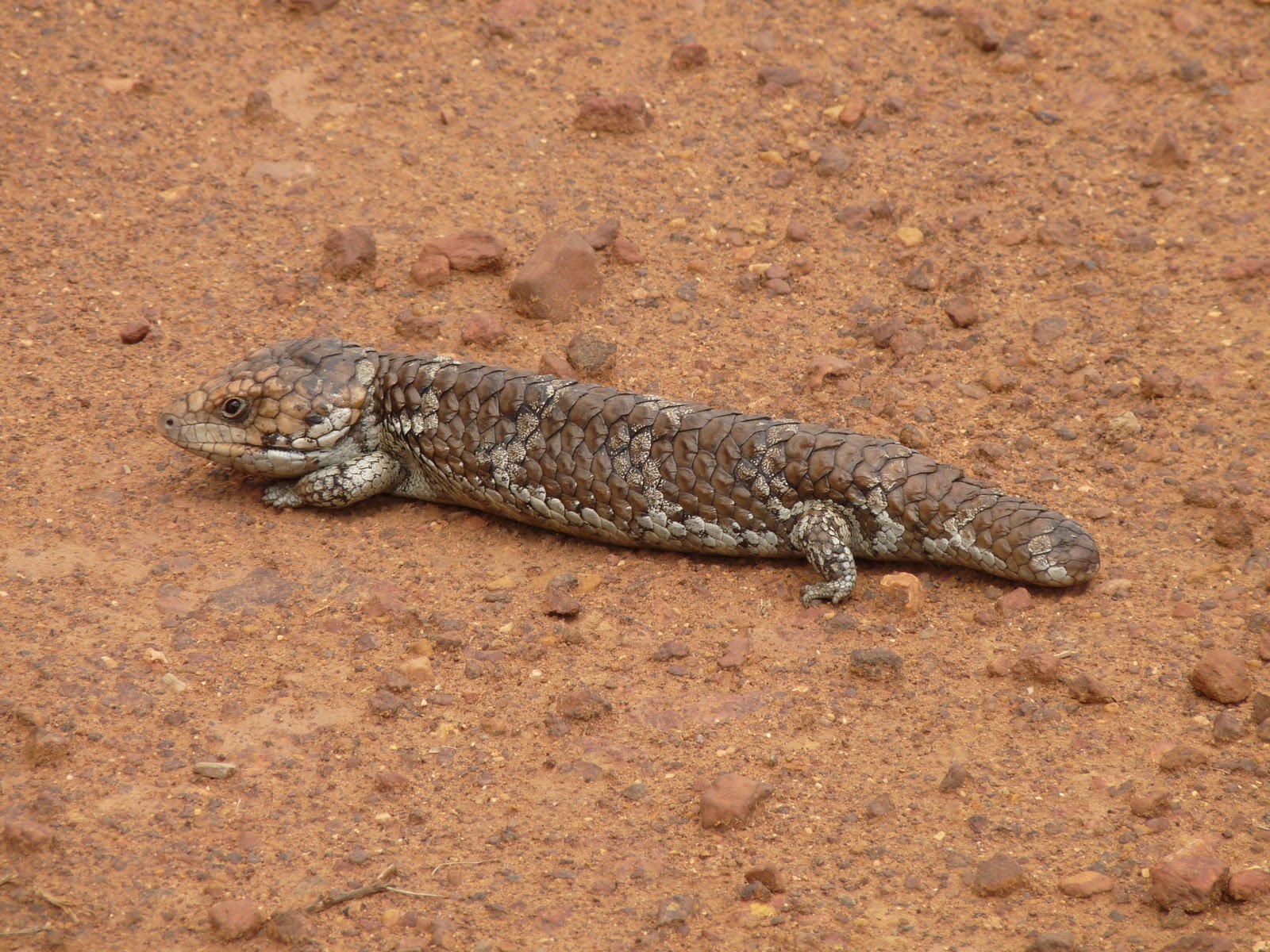
We stopped for a break and some food in the shade of a small bush and a Quokka immediately joined us, seeking out titbits, followed closely by a Black Skink.  The interaction between the two was very entertaining.  


In the evening, we saw several large stingrays by the Pier.


Next morning, the temperatures soared again.  We loaded up our bicycles and set off for Little Salmon Bay and Salmon Bay for more snorkelling.  We were so entranced by the beautiful coloured fish and the massive crayfish we encountered, that we left late and had to cycle like fury to return our gear before we incurred an extra charge.


After cake from the outstanding bakery for breakfast, we tried to walk in the incredible heat.  It soon became too much for us so we sought solace in the coffee shop unitl our ferry picked us up at 16.00 hours.

For anyone fancying a visit to Rottnest, make sure you have a fly net, sunshade and perhaps stay just a day!  


Western Australia Part 1

Wednesday 20th Oct - Friday 23rd Oct
We arrived in Perth on Wenesday 20th Oct to relatively cool, damp weather. We had only booked a cheap hotel for the first night, and as most of the other accommodation was fully booked we decided to hire a car early on Thursday and head south.
After problems with the car we set out very late and only reached Armadale, south of the city before dark; the first caravan park we found had no tent sites but they let us stay in a great lodge for a great price...we were very grateful.
On Friday we headed for Rockingham because we wanted to visit 'Penguin Island'. We arrived early, took the short ferry ride to the island and spent a few happy hours looking for penguins, giant skinks and at the same time trying to dodge the seagulls who were protecting their young. We watched an Osprey eating a fish, just feet away from us.  


After passing hastily through Mandurah we found a gorgeous forest camp, down 4 km of really bumpy dirt track, at the Yalgorup National Park.
  

That night, we ate our supper in the twilight in glorious secluded surroundiongs and a Quenda came to join us.  We thought this must happen regularly but were informed by other campers that no-one else had seen it!


Next morning, after a very early walk, watching fabulous birds such as the Bronze Cuckoo, we set off for Busselton Dolphin Sanctuary.  After paying about £5 and waiting for 2 hours, we eventually got a peek of a dolphin fin.


However, all was redeemed when we walked to the lighthouse at Dunborough and saw a whole school of Humpback Whales passing through.; it was amazing, they were spinning, tail slapping, sky hopping and generally revelling in reaching the warm seas of Australia.  It was simply one of those magic moments that we will probably never experience again!


Western Australia Part 2

23-30 October

After a night in the most expensive (and bland) accommodation so far, we revisited the lighthouse to se if the Whales were still present. Unfortunately there were only a couple so we moved on through Karri forest country to Walpole and then Pemberton. 


A long day driving through pretty countryside, with regular stops and short walks. We eventually found a decent camp site and pitched the tent.


Monday 25th
On thge way to Walpole, we stopped at a river estuary and watched 3 dophins working together to shoal the fish into catchable batches!  Carole waded in the water to see them much closer- the pelicans decided that she had food for them so followed her everywhere!


Headed to the coast and found a little bay with great views. There were some chalets so we enquired about the price. We couldnt believe how cheap they were, so we decided to stay put for the day and relax.


What a great decision. our chalet overlooked the bay (an inlet to the sea) and we could watch dolphins moving in and out.

We walked along the unspoilt coast to the next bay and spent some time (completely alone) on a spectacular beach. On the way back we watched (and fed) Rays which were quite tame and came right up to the edge of the water.


We really did not want to move on, but there was more to see....


26th


We headed for the valley of the  'Tall Trees'. There was a suspended walkway at canopy level which seriously tested Pete's vertigo. This was a must, in order to get an appreciation of just how magnificent the 'Tingle' trees are. We also came accross a 'Quokka' which is a rare type of marsupial (like a small wallaby).


We then followed the coast south towards Albany. There was some very spectacular coastline here with small conservation parks and wildlife refuges.


We found another great camp site next to a river, with lots of birds and resident Kangaroos. During the night the weather turned cold and damp...


27th
We travelled north of Albany to visit a Banksia farm. We had a guided tour and lecture with one of the worlds experts. he was so enthusiastic and interesting that our love of plants was rekindled. We bought seeds and look forward to growing our own Banksias.

The garden/farm was so interesting, for its birdlife as much as anything else. 

We then made our way to the Stirling Ranges hoping to camp or stay in a lodge. We were offered a lodge but it was a rediculous price so we explored a while and then travelled back to the Porongorup wildlife reserve, which we had travelled through earlier. 
We found a camp site which also had a lodge available for a really good price. We had a bottle of wine with dinner and watched the telly for the first time in ages.


28th

As the lodge was so confortable we decided to stay for two nights. It was also caroles birthday and we were recommended a really unusual Thai restaurant (garage) nearby. 


We spent the day exploring the Stirling Ranges which were famous for their wildlife and flowers.
We were not dissapointed, we took far too many pictures. We had a brilliant day driving on dirt roads with no-one else in sight.


In the late afternoon we walked the Porongorup hills, for great views and more wildlife.


In the evening we had a great meal.


29th
Today we headeded north towards Perth but we first wanted to stay a night at Dryandra which was about half way. 
We drove through several 'outback' towns (avoiding the odd Kangaroo) and arrived with time to explore the unique forest which was home to some of the most endangered Australian wildlife.


We stayed at another cheap but spectacular lodge. In the evening we went into a part of the reserve where they were breeding and releasing Boodies, Quendas, Bilbies (marsupials) etc. We sat in the dark at food stations and watched as they emerged from their hiding places to eat. 


On the way home through the forest we saw Kangaroos, echidna, Possoms and Frogmouths (type of owl)
Carole fed the Possoms on the veranda in the evening. 


30th


We got up at about 5am and searched for the elusive 'Numbat' in the forest. After abou 4 hours we gave up and headed for Perth. We travelled on dirt roads so the journey was quite slow. we stopped for wildlife on the way